
 22 Oct 2026
 Posted by James Heron

 Loading ...
While women directors may not dominate in terms of number, two new films by women represent the best of the Japanese lineups at the Toronto and Vancouver International Film Festivals.
Japanese cinema has long produced compelling portraits of women’s lives, but the filmmakers shaping those portraits have too often received less attention than their subjects. Two new films by women directors offer an opportunity to look more closely at the choices behind the camera.
In Yukiko Sode’s All the Lovers in the Night, a solitary proofreader cautiously opens herself to connection; in Miwa Nishikawa’s Children Untold, a young orphan must conceal her identity to survive the aftermath of war. Their settings and scales differ, yet both directors ask what happens when a woman’s inner life or a girl’s very existence goes unseen. Sode works through silences and small encounters, and Nishikawa looks to children left out of the familiar postwar Japan narrative. Together, their films show how much can be revealed by exploring lives others have overlooked.
All the Lovers in the Night
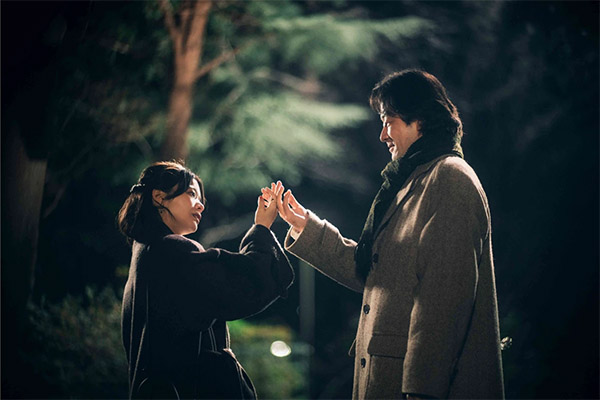
All the Lovers in the Night. Photo courtesy: VIFF.
I am not the first reviewer who has noticed the shared DNA between Sode’s All the Lovers in the Night and Wim Wender’s Perfect Days. In Wender’s film, the protagonist Hirayama lives and works in relative solitude as a cleaner of public toilets. He quietly nurses trauma and is fascinated by the nature of light. Hirayama finds contentment and meaning in a heightened appreciation of the quiet details of the world and the rhythms of his daily routine.
Sode’s protagonist, Fuyuko (Yukino Kishii), is a freelance proofreader, a job requiring her to notice what others overlook. Away from the page, however, she finds it difficult to make herself seen. Adapted from Mieko Kawakami’s acclaimed novel, Fuyuko’s days pass in quiet routines, interrupted by meetings with colleague Hijiri (Misato Morita). Fuyuko longs for connection and physical intimacy and begins using alcohol to break through her social anxiety.
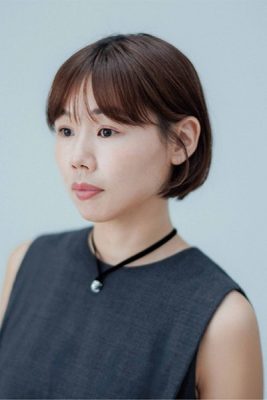
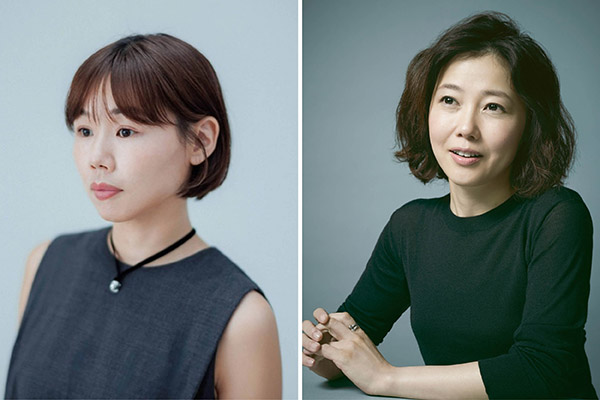
Director Yukiko Sode. Photo courtesy: VIFF.
Fuyuko eventually meets 53-year-old physics teacher Mitsutsuka (Tadanobu Asano) at a Shinjuku culture centre. Buoyed by too much sake, she has gone there to look into a class but becomes ill and collapses. Mitsutsuka is kind, his manner measured, and he helps her, later inviting her to coffee to talk about light. They meet weekly, and what begins as a possible romance soon poses a more searching question: how does someone accustomed to solitude begin to trust connection?
What follows is a gradual journey towards self-acceptance as Fuyuko is forced to confront the emotional walls she has spent years constructing. The film’s unhurried pace and attention to light suit a story in which change is gradual and often hard to name. It is a “warm, luminous ode to the courage it takes to let the world back in”.
The film is anchored by Kishii’s extraordinarily sympathetic performance. Her face conveys a complex interiority that commands the viewer’s attention. Morita’s Hijiri plays a fitting foil: her social and sexual confidence looks like freedom from a distance, but this fragile charisma does not spare her from loneliness.
The film’s 139 minutes ask for patience, but the gradual accumulation of recurring encounters and finely observed detail builds narrative coherence and increasing emotional force. It closes not with dramatic incident, but with the first, tentative stirrings of self-acceptance. As with her previous films, Sode’s intelligent filmmaking is observant, patient and alert to telling detail.
In a certain sense, All the Lovers in the Night ends where Perfect Days begins: Fuyuko is only starting to accept the possibility of living her life more fully, while Hirayama has already assembled a way of living that gives his days meaning. Fuyuko has made a beginning but is yet to find a settled peace. Hirayama’s final expression suggests that his peace still has room for sadness. The films feel like portraits of different points in the same ongoing process.
Children Untold
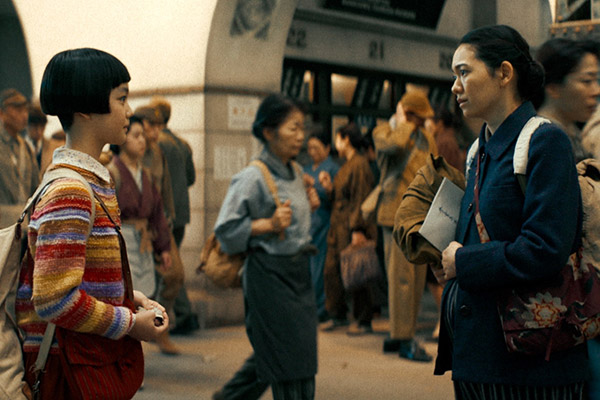
Children Untold. Photo courtesy: VIFF.
We first meet 12-year-old Kotoko (Ami Koyae) playing Debussy on the school piano in the closing months of the war. When she is set upon violently by other students for playing the “music of the enemy”, her teacher, Fumiko Sone (Fumi Nikaido), comes to her rescue. Kotoko is desperate to return to Tokyo and her parents.
Six months later, the bombs have dropped on Hiroshima and Nagasaki, and we find Kotoko with her friends and the now-pregnant Fumiko travelling to Tokyo. She does not yet know that her parents are missing; her brother is away on military duty, and their home has been destroyed. At the train station, Fumiko urges her to come to the orphanage, but Kotoko insists on staying to wait for her parents. Fumiko reluctantly leaves her there, but no one comes. Kotoko is alone and must fend for herself in a chaotic, devastated city.
Like Isao Takahata’s Grave of the Fireflies, Children Untold sees the war through the eyes of children left to survive its aftermath. Nishikawa, however, places greater emphasis on the precarious communities and relationships they form along the way.
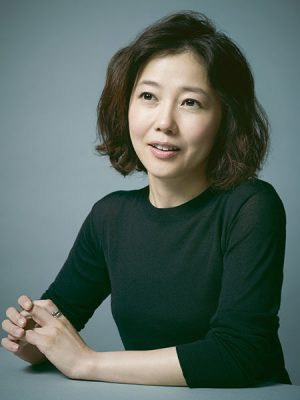
Director Miwa Nishikawa. Photo courtesy: VIFF.
Kotoko learns to find food, shelter, and work among gangs of other orphaned children. Cutting her hair, dressing in rags, and passing as a boy, she joins a group of young thieves. After they raid a warehouse of food intended for American soldiers, they are sent to a bizarre prison island. There, Kotoko must survive and eventually try to escape, while keeping her identity hidden.
Nishikawa weaves the story’s second narrative thread through Fumiko, who searches for Kotoko while struggling to survive herself. Fumiko once helped teach the beliefs that carried Japan into war. Now she must face the collapse of those beliefs, her responsibility to a child she could not protect, and the debasement to which she must subject herself to feed her own baby.
Newcomer Koyae as the resourceful and fearless Kotoko provides the film its compelling throughline, while Nikaido’s Fumiko carries the film’s questions of guilt and obligation. That moral complexity has long distinguished Nishikawa’s films. Under the Open Sky followed a man trying to build a life after prison while society around him offered sympathy more readily than opportunity. That moral complexity also shapes Nishikawa’s The Long Excuse, in which a man’s grief after his wife’s death is complicated by the knowledge that he had been unfaithful to her. Children Untold looks further back, toward the childhoods that history can leave out of such stories.
Epic in scope but laser-focused in its moral inquiry, Children Untold is a compassionate historical drama that poses a difficult central question: What do adults owe the children who must live with the consequences of their decisions? Nishikawa brings those children out of the margins and asks us to see the lives that continued after the history books reached their final page. Children Untold‘s message remains as relevant in today’s world as it did 80 years ago.